
For the back pain
that shapes your day.
Non-surgical options for chronic back, neck, SI joint, and disc-related pain, with the procedural expertise these conditions require.

A non-surgical option for chronic back and neck pain.
Platelet-Rich Plasma uses a concentrated portion of your own blood, delivered precisely to the source of pain (a facet joint, an SI joint, a disc, or surrounding ligaments) to stimulate the body’s repair response.
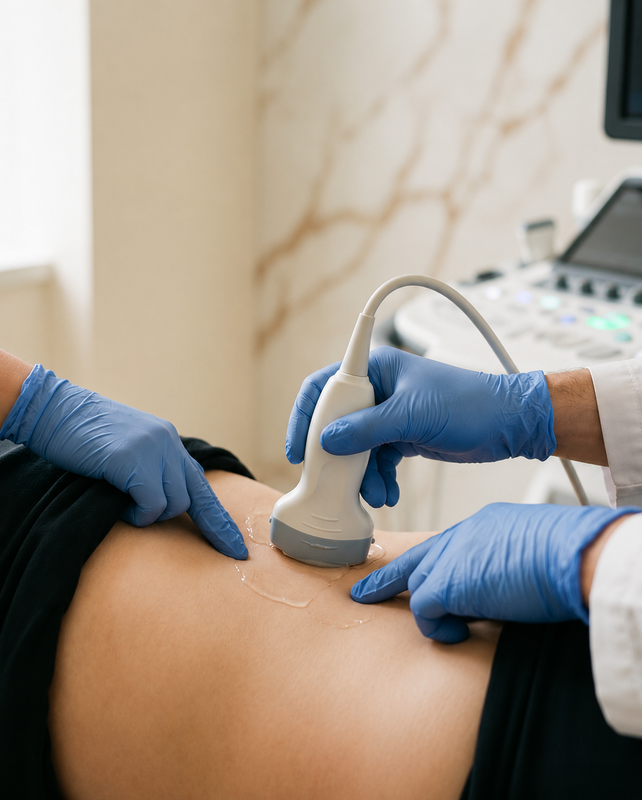
For spine applications, precision matters more than anywhere else in the body. PRP injections in the spine require ultrasound or fluoroscopic guidance, anatomical expertise, and a clear diagnosis of where the pain is actually coming from.
The treatment isn’t for every spine condition. It works best for specific diagnoses (chronic facet joint pain, SI joint dysfunction, and certain discogenic pain patterns) where the tissue is irritated but structurally intact.
PRP for spine is considered for
- Chronic facet joint pain
- SI joint dysfunction
- Chronic low back pain
- Cervical (neck) pain
- Discogenic pain
- Post-surgical adjunct healing
Spine conditions, evaluated honestly.
Spine pain is notoriously difficult to treat because the source is often unclear. We start with a clear diagnosis. Only then do we discuss whether PRP, or any treatment, is appropriate.
- Chronic low back pain
- Chronic neck (cervical) pain
- SI joint dysfunction
- Facet joint syndrome
- Discogenic pain
- Cervical disc issues
- Post-laminectomy syndrome
- Failed back surgery syndrome (selected cases)
- Chronic ligamentous instability
- Post-surgical healing support
Diagnosis first. Treatment second.
A focused diagnostic evaluation
Spine pain has many possible sources. We begin with imaging review, focused examination, and when needed, diagnostic injections to identify exactly where the pain is coming from before any treatment plan is discussed.
A treatment plan based on the diagnosis
If PRP is appropriate, we outline the protocol, the expected timeline, and the recovery guidance. If something else is more appropriate (PT, surgical referral, or watchful waiting) we tell you that.
Precise, image-guided treatment
Spine PRP injections require ultrasound or fluoroscopic guidance for accuracy and safety. Procedures are performed in-office with appropriate imaging support.
What patients say.
"Six months of back pain. I tried PRP. It’s been the difference."— Patient testimonial, NYC
"I needed someone who would actually diagnose it. Not just treat the symptom."— Patient testimonial
"The honesty about what PRP could and couldn’t do was what convinced me."— Patient testimonial
"I avoided surgery I wasn’t ready for. That’s what mattered."— Patient testimonial
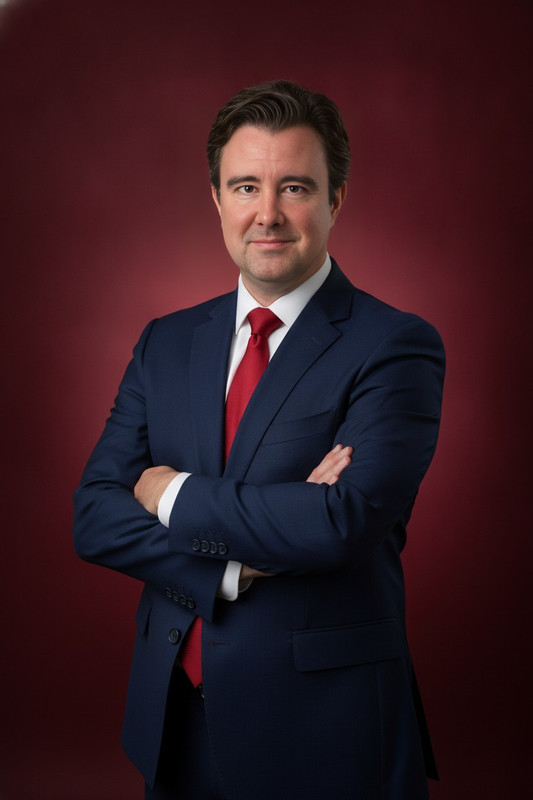
The interventional spine specialist behind this program.
Dr. Matthew Grimm leads spine care at NY Regenerative. He is a board-certified physiatrist specializing in interventional spine and pain management — the physicians who diagnose and treat spine conditions non-surgically.
Dr. Grimm completed his medical education at Sidney Kimmel Medical College at Thomas Jefferson University. He completed his residency in Physical Medicine and Rehabilitation as Chief Resident at William Beaumont Hospital, then pursued fellowship training in Interventional Spine and Pain Management at the Georgia Institute for Clinical Research. He has over 20 years of clinical experience and has published in the field.
Spine PRP requires anatomical precision, image guidance, and conservative clinical judgment. Dr. Grimm's approach is direct: PRP when it fits the diagnosis, and honesty when it doesn't.
- Board-certified, PM&R
- Fellowship, Interventional Spine
- Jefferson Medical College
- University of California, Irvine
- 20+ years, NYC
- Published in PM&R journal
Common questions about spine PRP.
Is PRP a good option for my back pain?
It depends on the diagnosis. PRP works best for chronic facet joint pain, SI joint dysfunction, and certain discogenic pain patterns where the tissue is irritated but structurally intact. It’s less appropriate for severe disc herniations, instability, or conditions requiring surgical intervention. We diagnose first. Then we discuss whether PRP is the right tool.
What’s the evidence for spine PRP?
The research is mixed and condition-specific. PRP has stronger evidence for some applications (facet joint, SI joint) and more limited evidence for others (intradiscal applications). We discuss the evidence honestly during the consultation. You should know what’s well-supported and what’s still emerging.
How is this different from a cortisone shot?
Cortisone reduces inflammation but doesn’t address underlying tissue health, and repeated cortisone in the spine can have long-term drawbacks. PRP works through a different mechanism, using growth factors to signal repair rather than suppressing inflammation. Different goals, different timeline.
What happens if PRP isn’t right for me?
We tell you. Sometimes the right answer is PT, sometimes it’s a surgical referral, sometimes it’s a different procedure entirely. Spine pain has many sources. The value of an honest evaluation is knowing which one is yours.
Is the procedure painful?
Most patients tolerate spine PRP well. There can be 24–72 hours of soreness or increased pain at the injection site as the inflammatory response activates. This is expected and short-lived. Image guidance ensures precision and minimizes discomfort during the procedure itself.
Get to the source of the pain.
Book an orthopedic spine consultation with Dr. Grimm. We'll evaluate your case, discuss the treatment options — including PRP if it's appropriate — and give you a clear path forward.
Consultations covered by insurance.
Get a Consult Now