
For athletes who refuse
to scale back.
PRP for serious recreational, masters, and post-collegiate athletes — built for the tendon, joint, and overuse injuries that won't fit a standard rehab timeline.
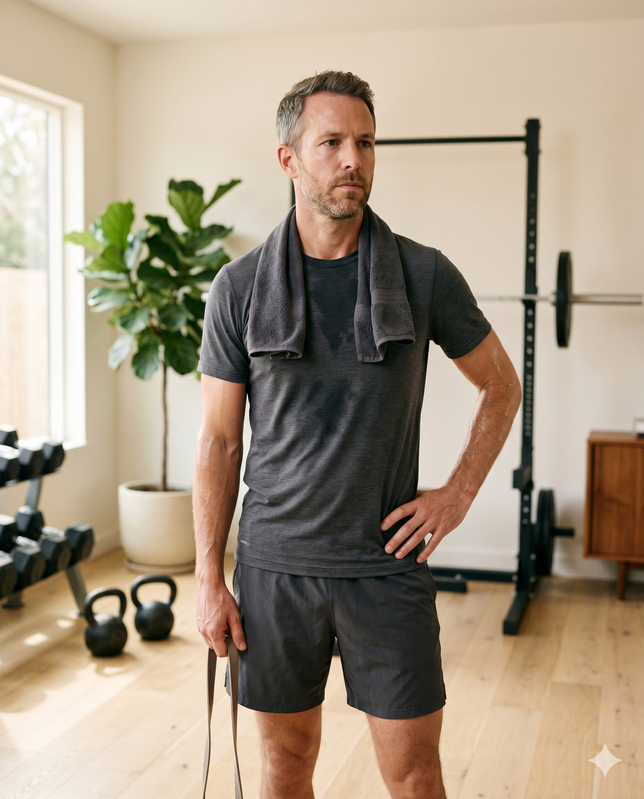
The treatment pro athletes have quietly used for 20+ years.
Platelet-Rich Plasma uses a concentrated portion of your own blood to support tissue repair. The same principle the body uses to heal itself, just intensified and delivered directly to the injury.
Tiger Woods. Kobe Bryant. Steph Curry. Rafael Nadal. PRP became mainstream in pro sports because team doctors needed a non-surgical option that could keep athletes in their seasons. The protocols and equipment that used to be reserved for elite athletes are now standard at the right clinics.
It isn’t a miracle. It’s not for every injury. But for the right candidate, a serious athlete with a tendon or joint that hasn’t responded to rest and PT, it’s one of the few options with real research behind it.
Most-Treated Sports Injuries
- Patellar tendinopathy (jumper’s knee)
- Achilles tendinopathy
- Rotator cuff tendinopathy
- Tennis & golfer’s elbow
- Hamstring injuries
- Plantar fasciitis
- IT band syndrome
- Hip labral irritation

Sport-specific applications.
PRP works best for the kind of nagging soft-tissue injuries that build up over years of training. The issues that interrupt a season but don’t justify surgery.
- Runner’s knee, patellar tendinitis
- Achilles tendinopathy
- Rotator cuff tendinopathy
- Lateral epicondylitis (tennis elbow)
- Medial epicondylitis (golfer’s elbow)
- Hamstring & adductor strains
- Plantar fasciitis
- IT band syndrome
- Hip flexor & adductor injuries
- Wrist & ankle tendinopathies
- Post-acute injury rehabilitation
- Chronic overuse injuries
A protocol designed around your training.
A focused evaluation
Orthopedic assessment first. We look at the injury, your training history, your season, and your goals. PRP only gets discussed if it’s actually the right tool for your case.
A treatment timeline that fits your calendar
If PRP is appropriate, we plan timing around your competitions, your training blocks, and your peak season. No black-box recovery windows.
Return-to-sport guidance
Most patients return to light activity within days and full training over 4–12 weeks, depending on the tissue. We map out exactly what that looks like for your sport.
What patients say.
"I’m a marathoner. Rest wasn’t fixing it. PRP was."— Patient testimonial, NYC
"I’d tried everything else. PRP was the thing that worked."— Patient testimonial, NYC
"A year of working around it. PRP got me past it in eight weeks."— Patient testimonial, NYC
"He told me straight whether PRP would work. No upsell."— Patient testimonial, NYC
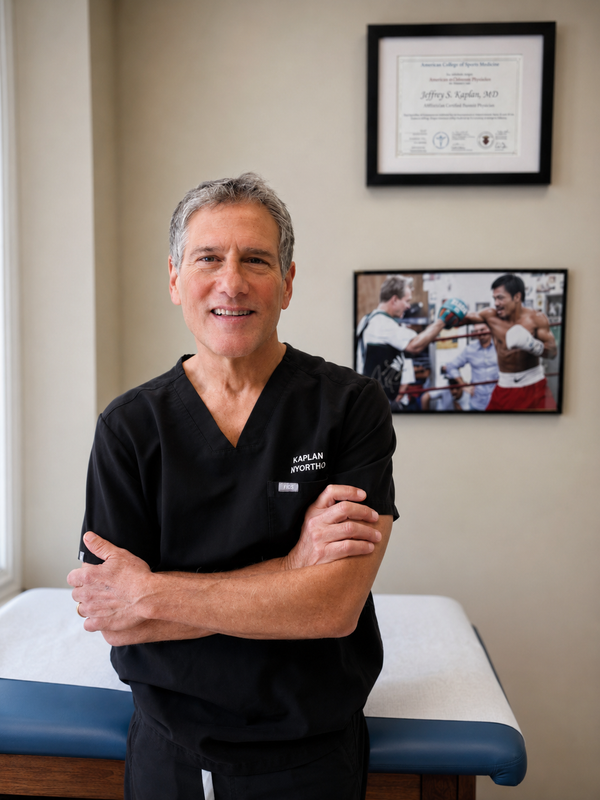
A board-certified surgeon who treats athletes like athletes.
Dr. Jeffrey Kaplan is a board-certified orthopedic surgeon in NYC, specializing in sports medicine for active adults, masters athletes, and post-collegiate players.
He was educated at Yale University and Columbia University College of Physicians and Surgeons, and is board-certified by the American Board of Orthopedic Surgery with over 30 years of experience treating the soft-tissue and joint injuries that build up over years of training. Surgery remains an option when it's the right call — but the practice is built to help patients avoid it when they can.
Common questions from athletes.
How do I know if I’m a good candidate?
Most athletes we treat have tendinopathies (patellar, Achilles, rotator cuff, elbow), partial soft-tissue injuries, or chronic overuse issues that haven’t resolved with PT and rest. PRP is less reliable for full tears or severe joint degeneration. The qualifying call sorts this out quickly.
Will I have to stop training?
You’ll need a brief deload window after injection: typically 7–14 days of modified activity, depending on the tissue. Most athletes can maintain general fitness during that period, and we plan around your training calendar.
How long until I can compete again?
Most athletes return to light sport-specific work within 2–4 weeks and full intensity over 6–12 weeks. Tendon healing takes time. PRP accelerates the body’s repair signal but it doesn’t skip the biology.
Is PRP banned by WADA or USADA?
No. PRP is permitted under WADA and USADA when used in joints or around muscles for therapeutic purposes (not direct intramuscular injection of certain agents). It’s used legally and openly across pro sports.
What if PRP isn’t the right call?
We’ll tell you. Sometimes the right next step is more PT, sometimes it’s a different procedure, sometimes it’s rest. We’re a board-certified orthopedic practice, not a clinic that says yes to everyone.
Get a plan built around your training.
Book an orthopedic consultation with Dr. Kaplan. We'll evaluate your injury and discuss the treatment options that fit your case — including PRP if it's the right call.
Consultations covered by insurance.
Get a Consult Now